
Hello world!
Welcome to WordPress. This is your first post. Edit or delete it, then start writing!
Loading


There are many variations of passages of available but majority have suffered alteration in some form, by humou or randomised words which don't look even slightly believable.





Amet consectur adipiscing elit sed eiusmod ex tempor incididunt labore dolore magna aliquaenim ad minim veniam.
Welcome to WordPress. This is your first post. Edit or delete it, then start writing!
As technology evolves, artificial intelligence (AI) is rapidly becoming a game-changer in the world of digital marketing. From automating repetitive tasks to providing in-depth data insights, AI is enabling marketers to personalize user experiences and make data-driven decisions more effectively.
AI-powered predictive analytics tools help businesses forecast trends, understand customer preferences, and make strategic decisions. These tools analyze historical data to predict future outcomes, allowing marketers to create more targeted campaigns.
AI chatbots are revolutionizing customer service by offering real-time responses to inquiries, improving customer satisfaction, and freeing up human resources for more complex tasks. By providing personalized support, chatbots can lead to higher conversion rates.
AI-driven platforms can help in content creation by suggesting topics, analyzing what resonates with audiences, and even generating copy. This significantly reduces the time needed for brainstorming and drafting, allowing marketers to focus on more creative aspects.
Incorporating AI into digital marketing strategies allows businesses to remain competitive, providing personalized experiences and insights that were once unimaginable.
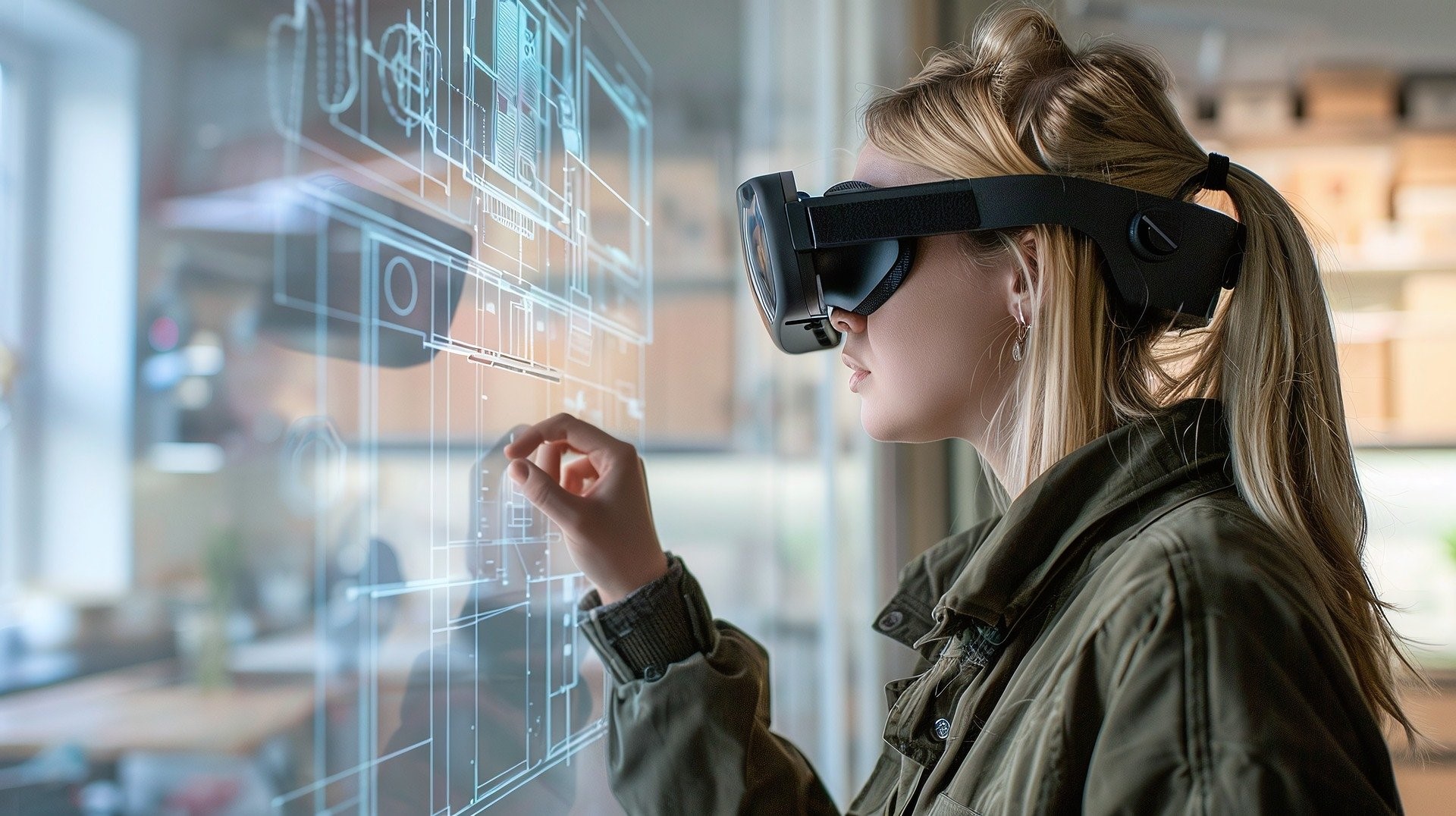
With advances in web technologies, 3D design elements are no longer confined to gaming or special effects. In the current year, 3D graphics are making their way into mainstream web design, creating immersive, interactive experiences that captivate users.
Websites are leveraging 3D models that users can interact with, providing product previews and immersive storytelling. These elements not only engage visitors but also enhance user understanding of products and services.
Parallax effects, where the background moves at a different speed than the foreground, are being paired with 3D elements to create depth and a sense of movement.
Thanks to WebGL and CSS3, 3D elements are now smoother and faster to load, ensuring a seamless experience across devices.
AR integration into websites allows users to experience a blend of the digital and physical world, offering more interactive and personalized browsing.
3D elements and immersive experiences are rapidly becoming a key part of web design trends. As technology improves and users crave more engaging experiences, this trend will only continue to grow this year and beyond.