Hello world!
Welcome to WordPress. This is your first post. Edit or delete it, then start writing!
Loading


Welcome to WordPress. This is your first post. Edit or delete it, then start writing!
As technology evolves, artificial intelligence (AI) is rapidly becoming a game-changer in the world of digital marketing. From automating repetitive tasks to providing in-depth data insights, AI is enabling marketers to personalize user experiences and make data-driven decisions more effectively.
AI-powered predictive analytics tools help businesses forecast trends, understand customer preferences, and make strategic decisions. These tools analyze historical data to predict future outcomes, allowing marketers to create more targeted campaigns.
AI chatbots are revolutionizing customer service by offering real-time responses to inquiries, improving customer satisfaction, and freeing up human resources for more complex tasks. By providing personalized support, chatbots can lead to higher conversion rates.
AI-driven platforms can help in content creation by suggesting topics, analyzing what resonates with audiences, and even generating copy. This significantly reduces the time needed for brainstorming and drafting, allowing marketers to focus on more creative aspects.
Incorporating AI into digital marketing strategies allows businesses to remain competitive, providing personalized experiences and insights that were once unimaginable.
With advances in web technologies, 3D design elements are no longer confined to gaming or special effects. In the current year, 3D graphics are making their way into mainstream web design, creating immersive, interactive experiences that captivate users.
Websites are leveraging 3D models that users can interact with, providing product previews and immersive storytelling. These elements not only engage visitors but also enhance user understanding of products and services.
Parallax effects, where the background moves at a different speed than the foreground, are being paired with 3D elements to create depth and a sense of movement.
Thanks to WebGL and CSS3, 3D elements are now smoother and faster to load, ensuring a seamless experience across devices.
AR integration into websites allows users to experience a blend of the digital and physical world, offering more interactive and personalized browsing.
3D elements and immersive experiences are rapidly becoming a key part of web design trends. As technology improves and users crave more engaging experiences, this trend will only continue to grow this year and beyond.
The Flexbox layout system, also known as Flexible Box Layout, has become a cornerstone of modern web design. It provides a more efficient way to lay out, align, and distribute space among items in a container, even when their size is dynamic. Unlike older layout models like floats, Flexbox is flexible and makes building responsive websites simpler.
At its core, Flexbox allows you to design responsive, fluid layouts. It’s great for laying out items in either a row or a column, managing both horizontal and vertical alignment with ease. For example, you can use it to center elements, create equal spacing, or distribute items evenly across a container.
flex-direction.flex-grow, flex-shrink, and flex-basis to make elements dynamically adapt to screen size.Here’s how to center content using Flexbox:
.container {
  display: flex;
  justify-content: center;
  align-items: center;
  height: 100vh;
}
The above code will center all items both horizontally and vertically within the container.
Whether you’re building a navigation bar, product cards, or complex grid systems, Flexbox provides a powerful toolset for modern web design.
In today’s digital age, having a robust social media strategy is crucial for building brand awareness, engaging with audiences, and driving conversions. Here’s a step-by-step guide to creating a winning social media strategy.
Before diving into content creation, establish clear and measurable objectives. Whether it’s increasing brand awareness, driving website traffic, or boosting engagement, having a goal in mind will guide your strategy and help you measure success.
Understanding your target audience is essential. Research their demographics, interests, and online behaviors. Tools like Facebook Insights and Google Analytics can provide valuable data that will shape your content and messaging.
Not all social media platforms are created equal. Select the ones that align with your brand and where your audience is most active. For example, Instagram is ideal for visual content, while LinkedIn is better suited for B2B marketing.
Focus on content that resonates with your audience. Whether it’s behind-the-scenes videos, user-generated content, or educational posts, make sure your content is both informative and engaging. Keep an eye on trending formats like short videos and interactive polls.
Your social media strategy should be fluid, not static. Use analytics tools to track performance and identify areas for improvement. Whether it’s adjusting your posting schedule, experimenting with new content types, or refining your messaging, continuous optimization is key to long-term success.
By following these steps, brands can create a powerful social media strategy that not only engages their audience but also drives meaningful results.
WordPress has long been the platform of choice for creating websites, thanks to its flexibility, large ecosystem, and strong community. But the introduction of the block editor, also known as Gutenberg, marked a major shift. Now, with block templates and full site editing gaining traction, WordPress is evolving into a more powerful and intuitive platform for everyone.
The classic WordPress editor was simple and efficient for writing content. But when it came to layout and design, it had serious limitations. Creating complex layouts required shortcodes, widgets, or third-party page builders.
The block editor changed that. It treats every element on the page as a block, whether it’s a paragraph, image, heading, or button. This modular system makes it easy to build rich, flexible layouts directly in the editor without writing code. It gives users full control over content and design, all within a visual interface.
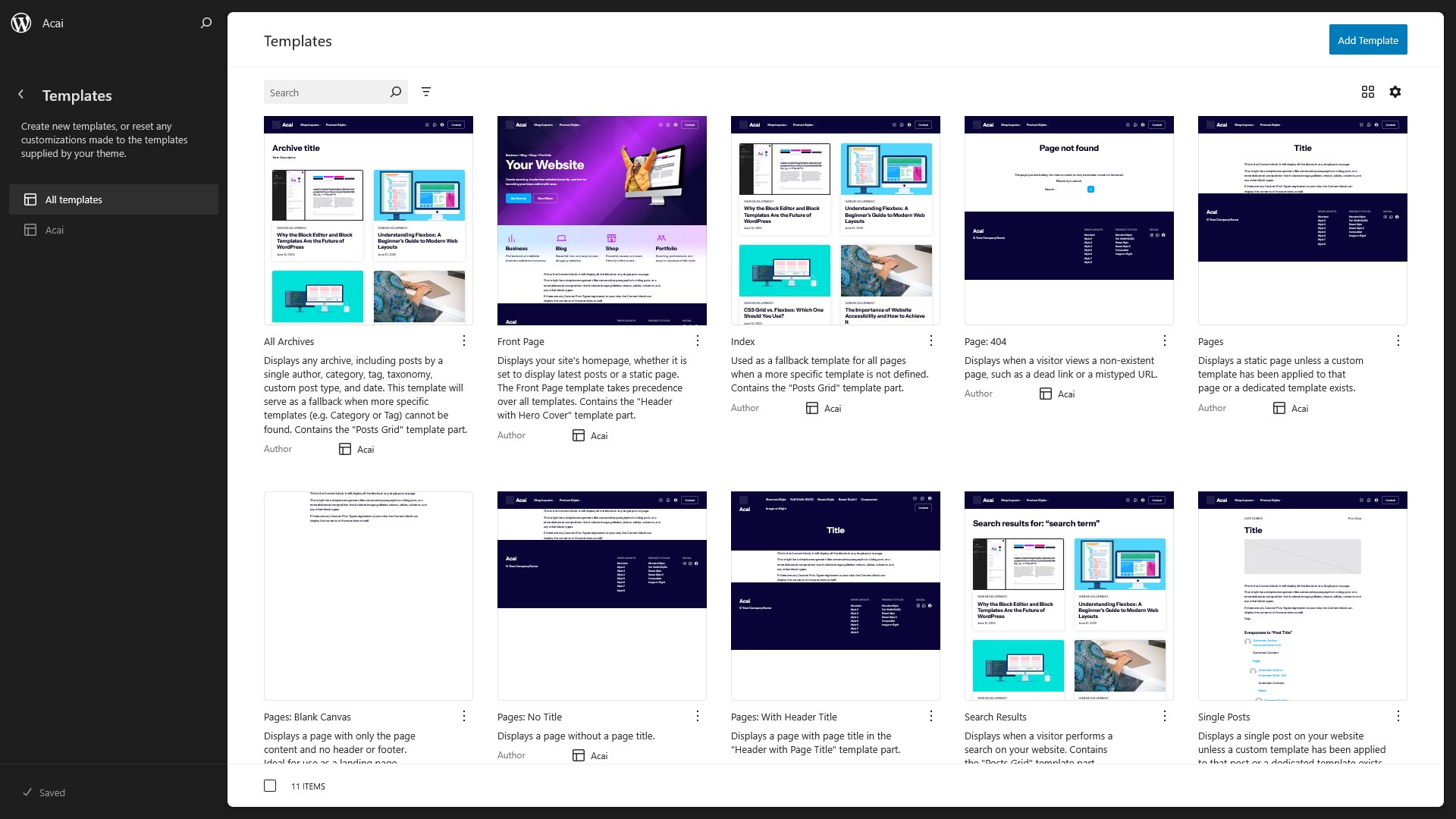
Block templates are pre-designed layouts built entirely from blocks. Instead of using PHP templates to control layout, developers can now use block-based markup that integrates directly with the editor. This simplifies theme development and makes it easier for users to customize layouts without touching code.
Block templates also ensure design consistency across a site. Combined with block patterns, they allow site owners to build pages quickly while maintaining a unified style and structure.
Full site editing (FSE) extends the block editor to the entire website, including headers, footers, sidebars, and more. You no longer need to switch between different parts of the admin area or edit theme files manually. Everything can be managed in one place using the Site Editor.
This creates a smoother experience for both beginners and experienced users. You can now design and manage your whole site visually, with full control over layout, typography, and colors.
The block editor and block templates are not just new features. They represent the future of how websites are built with WordPress. As this ecosystem continues to grow and mature, traditional theme structures and workflows will gradually be replaced by more visual, streamlined tools.
WordPress has always adapted to meet the needs of its users. With blocks at its core, it is well positioned for the next generation of web creation.
As the digital marketing landscape continues to evolve, staying on top of trends is critical to maintaining a competitive edge. Here are five trends that are set to dominate the industry in 2024:
With the increasing use of voice-activated assistants like Alexa and Siri, optimizing for voice search is becoming essential. Marketers should focus on conversational keywords and natural language SEO strategies to capture voice-based traffic.
Video content is already a significant component of many marketing strategies, but its influence will grow even more in 2024. Short-form videos on platforms like TikTok and Instagram Reels are key formats, while live streaming offers real-time engagement opportunities.
Social media platforms are evolving into eCommerce hubs, where users can purchase products without leaving the app. Brands that integrate social commerce into their strategies will benefit from seamless shopping experiences that drive sales directly through platforms like Instagram and Facebook.
As consumers become more aware of their data rights, marketers need to prioritize data privacy and ethical marketing practices. Transparency about data collection and personalized, consent-based marketing strategies will help build trust with audiences.
Augmented reality (AR) and virtual reality (VR) offer immersive marketing experiences that engage users in unique ways. From virtual try-ons in eCommerce to interactive ads, these technologies will offer new ways for brands to stand out in crowded markets.
In a digital world overwhelmed by information, the minimalist web design trend has surged in popularity, emphasizing simplicity and user-friendliness. This approach to design is not just a passing fad; it reflects a broader shift toward clarity and purpose on the web.
Minimalist design is all about stripping away the unnecessary elements to focus on what truly matters. This results in clean, uncluttered interfaces that are easy to navigate, enhancing the user experience. The aesthetic appeal of minimalist design lies in its simplicity, which can make a website look more professional and trustworthy.
Minimalist web design aligns with the growing demand for faster-loading sites and mobile-first design. By reducing the number of elements, websites can load more quickly and perform better on various devices.
Minimalism in web design is more than just a trend; it’s a practical approach to creating visually appealing and highly functional websites. By focusing on the essentials, businesses can provide a superior user experience that drives engagement and conversions.
Dark mode has become one of the most talked-about web design trends in recent years. As we progress, this trend is evolving and expanding, offering both aesthetic and practical benefits for users and designers alike.
Dark mode is easier on the eyes, particularly in low-light environments. Its sleek, modern look has made it popular across websites, apps, and mobile devices.
For OLED screens, dark mode consumes less battery, which is particularly appealing for mobile users.
The challenge in dark mode design lies in ensuring that the text is readable and images stand out. Designers are embracing high contrast, bold fonts, and minimalistic visuals to maintain clarity.
Many websites are now offering dark mode as a toggle option, giving users control over how they experience the interface. This trend reflects the broader shift toward personalization in web design.
Dark mode isn’t just a passing trend—it’s becoming a staple of modern web design. With its blend of functionality, aesthetics, and user-centered appeal, expect to see more sites embracing the power of dark mode in the coming months and years.
Accessibility is a crucial aspect of web development that ensures all users, regardless of their abilities, can interact with your website. As more businesses move online, creating accessible websites isn’t just a legal obligation—it’s a moral imperative that can also enhance your brand reputation and reach a broader audience.
Web accessibility means designing and developing websites that can be used by people with various disabilities, including visual, auditory, motor, and cognitive impairments. The goal is to remove barriers that might prevent users from accessing your content and services.
Making your website accessible is essential for providing an inclusive experience for all users. By adhering to accessibility best practices, you can enhance usability, comply with legal requirements, and open your business to a wider audience, ensuring everyone can access and enjoy your content.