ImRTCâ¢

Loading

Category Web Design Trends

The Rise of 3D Elements and Immersive Experiences

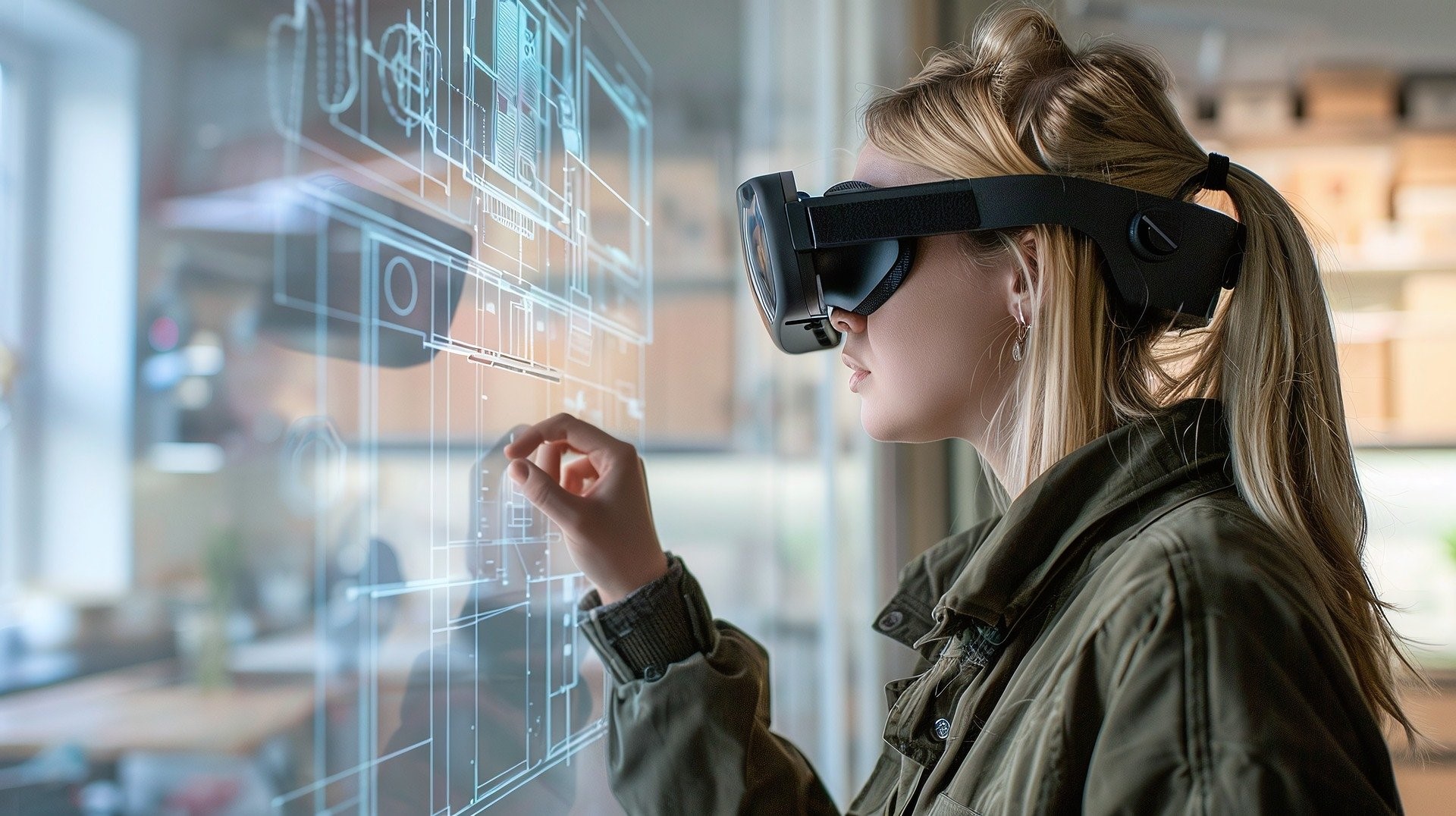
With advances in web technologies, 3D design elements are no longer confined to gaming or special effects. In the current year, 3D graphics are making their way into mainstream web design, creating immersive, interactive experiences that captivate users.

Interactive 3D Models

Websites are leveraging 3D models that users can interact with, providing product previews and immersive storytelling. These elements not only engage visitors but also enhance user understanding of products and services.

Parallax Scrolling

Parallax effects, where the background moves at a different speed than the foreground, are being paired with 3D elements to create depth and a sense of movement.

WebGL and CSS3 Capabilities

Thanks to WebGL and CSS3, 3D elements are now smoother and faster to load, ensuring a seamless experience across devices.

Augmented Reality (AR)

AR integration into websites allows users to experience a blend of the digital and physical world, offering more interactive and personalized browsing.

3D elements and immersive experiences are rapidly becoming a key part of web design trends. As technology improves and users crave more engaging experiences, this trend will only continue to grow this year and beyond.

The Rise of Minimalist Web Design: Less Is More

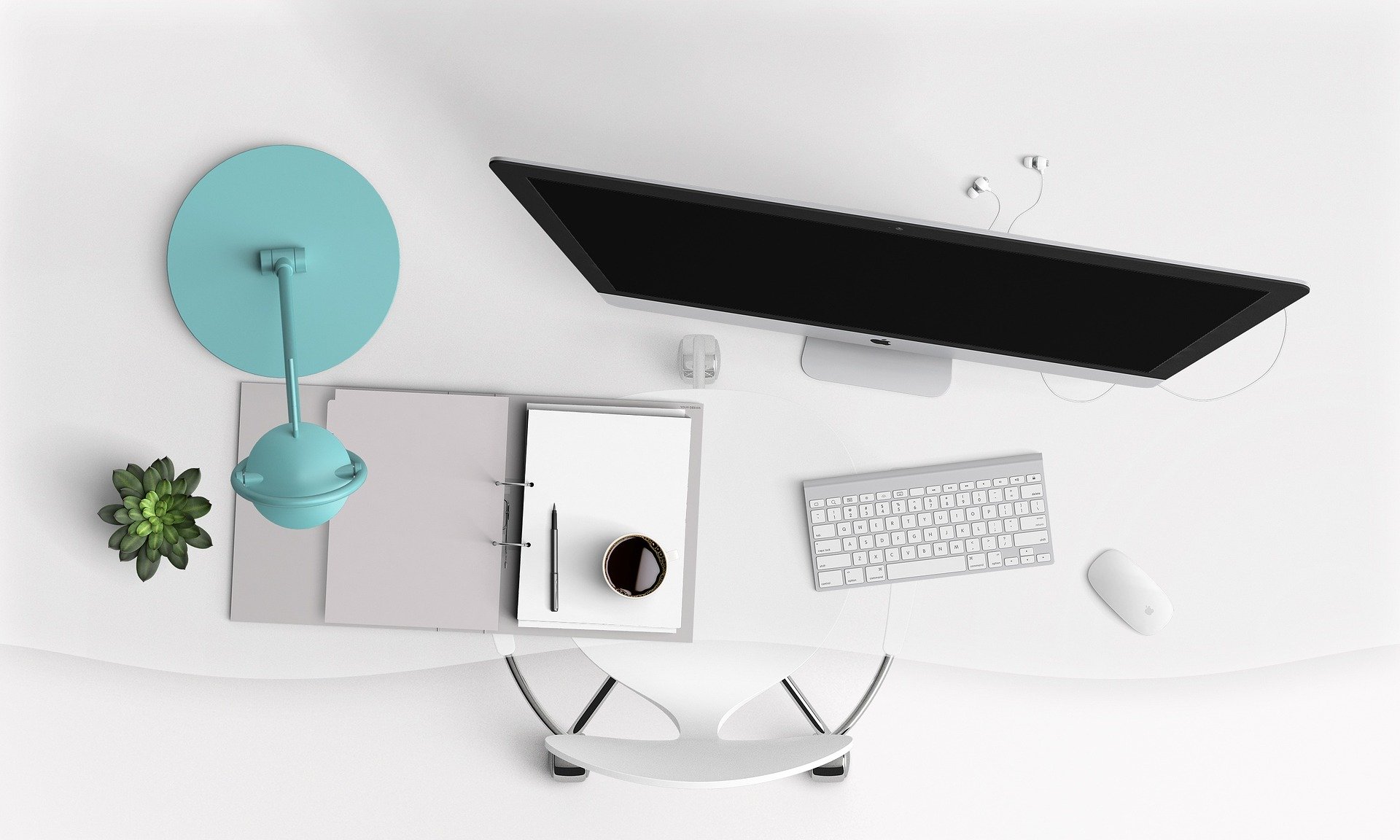
In a digital world overwhelmed by information, the minimalist web design trend has surged in popularity, emphasizing simplicity and user-friendliness. This approach to design is not just a passing fad; it reflects a broader shift toward clarity and purpose on the web.

The Appeal of Minimalism

Minimalist design is all about stripping away the unnecessary elements to focus on what truly matters. This results in clean, uncluttered interfaces that are easy to navigate, enhancing the user experience. The aesthetic appeal of minimalist design lies in its simplicity, which can make a website look more professional and trustworthy.

Key Elements of Minimalist Design

  • Whitespace: The strategic use of whitespace (or negative space) allows content to breathe and gives the design an elegant, airy feel.
  • Typography: With minimal distractions, typography plays a crucial role. Choosing the right fonts can convey the brand’s message effectively.
  • Color Schemes: Simple, often monochromatic color schemes are a hallmark of minimalist design, though bold accent colors can be used to draw attention to key elements.

Minimalist web design aligns with the growing demand for faster-loading sites and mobile-first design. By reducing the number of elements, websites can load more quickly and perform better on various devices.

Minimalism in web design is more than just a trend; it’s a practical approach to creating visually appealing and highly functional websites. By focusing on the essentials, businesses can provide a superior user experience that drives engagement and conversions.

Dark Mode: A Design Trend that’s Here to Stay

Dark mode has become one of the most talked-about web design trends in recent years. As we progress, this trend is evolving and expanding, offering both aesthetic and practical benefits for users and designers alike.

Visual Appeal and Comfort

Dark mode is easier on the eyes, particularly in low-light environments. Its sleek, modern look has made it popular across websites, apps, and mobile devices.

Energy Efficiency

For OLED screens, dark mode consumes less battery, which is particularly appealing for mobile users.

Designing for Contrast

The challenge in dark mode design lies in ensuring that the text is readable and images stand out. Designers are embracing high contrast, bold fonts, and minimalistic visuals to maintain clarity.

Customization for Users

Many websites are now offering dark mode as a toggle option, giving users control over how they experience the interface. This trend reflects the broader shift toward personalization in web design.

Dark mode isn’t just a passing trend—it’s becoming a staple of modern web design. With its blend of functionality, aesthetics, and user-centered appeal, expect to see more sites embracing the power of dark mode in the coming months and years.

AI-Powered Personalization: Shaping Web Design in 2025

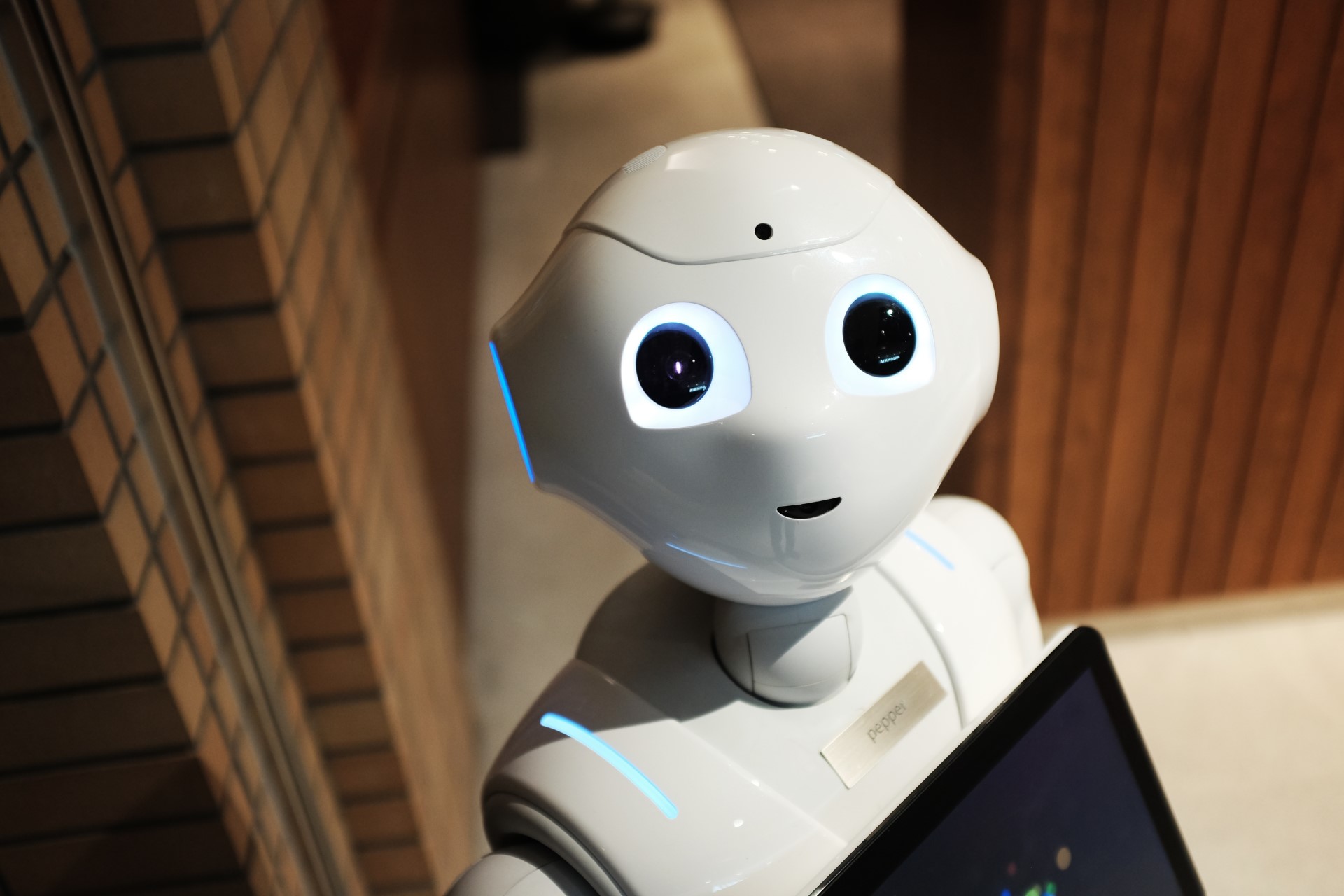
As artificial intelligence (AI) technology advances, personalized user experiences are transforming the web design landscape. In 2025, AI-powered personalization is more than a trend—it’s a critical component in creating tailored, intuitive, and highly engaging websites.

Dynamic Content Customization

AI allows websites to dynamically adapt their content based on user behavior, preferences, and interactions. From personalized product recommendations to customized homepage layouts, AI enhances user satisfaction by delivering what they want—when they want it.

AI-Driven Chatbots

AI chatbots have become smarter, more intuitive, and essential for enhancing customer support. These bots can offer personalized responses, guide users through complex websites, and even anticipate needs, leading to quicker resolutions and a smoother user journey.

Behavioral Insights and Predictive Analysis

AI helps web designers analyze user data to predict future behavior. This insight allows for the creation of websites that not only meet current user needs but anticipate future trends, making the site more proactive in offering relevant content.

Voice User Interface (VUI) Integration

With the growing popularity of voice-activated devices, websites are integrating voice user interfaces. AI assists in improving the accuracy of these systems, allowing users to interact with websites more naturally, especially on mobile and smart home devices.

AI-powered personalization is rapidly shaping the future of web design. By leveraging user data and advanced algorithms, web designers in 2025 can create more responsive, tailored, and immersive digital experiences. As users increasingly expect personalized interactions, AI will remain a pivotal tool in delivering smarter, more intuitive websites.